
Commercial Mortgage Broker UK
A commercial mortgage is a long-term loan secured against a commercial property — such as an office, retail unit, warehouse, or mixed-use building — used by UK businesses to purchase their trading premises or by investors to acquire income-generating commercial property. Available for owner-occupied use, investment use, and semi-commercial (mixed residential and commercial) assets.
CapitalNow sources commercial mortgages from £75,000 to £25 million, with rates from 4.5% per annum, LTVs up to 75%, and terms up to 25 years. Indicative terms in 24 hours, no upfront fees.
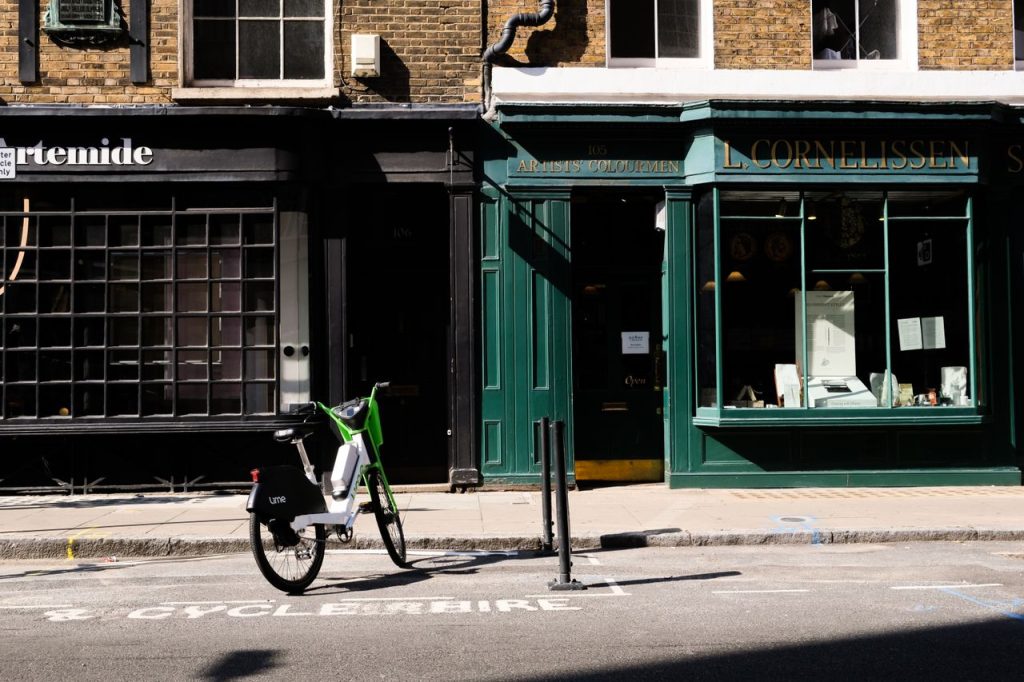

What is a commercial mortgage?
A commercial mortgage is a loan secured against a commercial property — such as an office, retail unit, warehouse, or mixed-use building. Unlike a residential mortgage, it is designed for businesses and investors rather than home buyers, and is assessed primarily on the property’s income potential and the borrower’s financial position.
Commercial mortgages are used for two broad purposes: to purchase or refinance a property from which you run your business (owner-occupied), or to purchase a property you will rent to a third-party tenant (investment). Both types are available through CapitalNow.
Because the commercial mortgage market is lightly regulated compared to residential lending, rates, LTVs, and eligibility vary significantly between lenders. Working with a specialist broker like CapitalNow gives you access to the full market — rather than the limited range of products available directly from a single bank.
Three types of commercial mortgage
Owner-Occupied Commercial Mortgage
Investment Commercial Mortgage
Semi-Commercial Mortgage
Commercial mortgage questions answered
How much deposit do I need for a commercial mortgage?
Most commercial mortgage lenders require a minimum deposit of 25% of the purchase price, equating to a maximum 75% LTV. For investment properties and semi-commercial assets, lenders typically cap LTV at 65–70%, meaning you will need a deposit of at least 30–35%.
If you are refinancing an existing property you already own, the available equity in the property determines what you can borrow — no cash deposit is required if sufficient equity exists.
What commercial mortgage rates are available in the UK?
Commercial mortgage rates in the UK currently start from approximately 4.5% per annum for owner-occupied properties with strong borrower profiles and low LTVs. Investment commercial mortgages start from around 5.0% pa. Semi-commercial properties typically fall between the two.
Rates are influenced by: base rate, LTV ratio, property type, borrower creditworthiness, loan size, and term length. Larger loans above £1m often attract lower rates due to commercial economies of scale.
How long does a commercial mortgage take?
A decision in principle can typically be obtained within 24–48 hours of submitting a complete enquiry through CapitalNow. Full application to legal completion usually takes 4–8 weeks, depending on the complexity of the property, borrower structure, and the lender’s survey and legal process.
Complex cases — such as overseas borrowers, SPV structures, or unusual property types — may take 8–12 weeks. If you have a tight deadline (such as an auction), speak to us immediately — bridging finance may be a faster interim solution.
Can I get a commercial mortgage through a limited company?
Yes. Most commercial mortgages are taken out in the name of a limited company or SPV (Special Purpose Vehicle). This is especially common for investment properties, where the tax treatment is often more favourable through a company structure than personal ownership.
Lenders will assess the company’s trading history and accounts (typically 2 years), the strength of personal guarantees offered by directors, and the property’s projected yield or occupancy. We can advise on the optimal borrowing structure for your situation.
Can I get a commercial mortgage with bad credit?
It is more difficult but not impossible. Specialist lenders on our panel consider commercial mortgage applications from borrowers with adverse credit — including CCJs, missed payments, and previous defaults — particularly where the credit issue is historic (3+ years ago) and the property and business case are strong.
These lenders charge a premium over standard market rates and typically require lower LTVs (50–60%). If mainstream lenders have declined your application, contact us — our specialist lenders assess cases that high-street banks will not consider.
What types of property qualify for a commercial mortgage?
Most commercial property types are accepted by mainstream commercial lenders, including: offices, retail units, industrial and warehouse space, mixed-use buildings, and some leisure properties. More specialist lenders are required for: pubs and licensed premises, hotels, care homes, petrol stations, and agricultural land.
Semi-commercial properties — those with both commercial and residential elements (e.g., a shop with flats above) — sit between commercial and residential lending and require lenders experienced with mixed-tenure assets.
What is the difference between a commercial mortgage and a bridging loan?
A commercial mortgage is a long-term finance product (5–25 years) designed for purchasing or holding commercial property. A bridging loan is short-term (typically 1–24 months) and designed for time-sensitive transactions such as auction purchases, property that cannot yet secure long-term finance (e.g., uninhabitable condition), or to “bridge” a gap between purchasing and refinancing onto a term mortgage.
Bridging loans typically carry higher monthly rates (0.5–1.2% per month) but can be arranged in days rather than weeks, and lenders are far more flexible on property condition and borrower profile.
Contact us to discuss commercial mortgage
A little about you and what you need will help us with our response.